
When Kingston was a puppy, nutrition was easy at first. All I had to do was feed him his mushy puppy food, or so I though. After a while, mushy dog food didn’t seem too appealing to me and eventually I needed to transition to adult dog food, so I started to do some research. I Knew I didn’t want to train Kingston to beg at the table every time he saw someone eating, but I also knew he needed some variety. It was important for me to learn which “people foods” I could share with him, but most importantly which foods could make him sick or harm him. Some foods, such as fruits and vegetables, that people easily digest can make your dog very sick and even cause severe health problems. While keeping in mind to always choose a quality dog food for your dog’s main diet, also be mindful that even healthy foods in excess can lead to canine obesity. I took the opportunity to compile a list of 10 “people foods” that could send your dog to the emergency vet. Some of these common foods may surprise you.
- Xylitol – Candy, gum, toothpaste, baked goods, and some diet foods are sweetened with xylitol. It can cause your dog’s blood sugar to drop and can also cause seizures and liver failure within a few days.
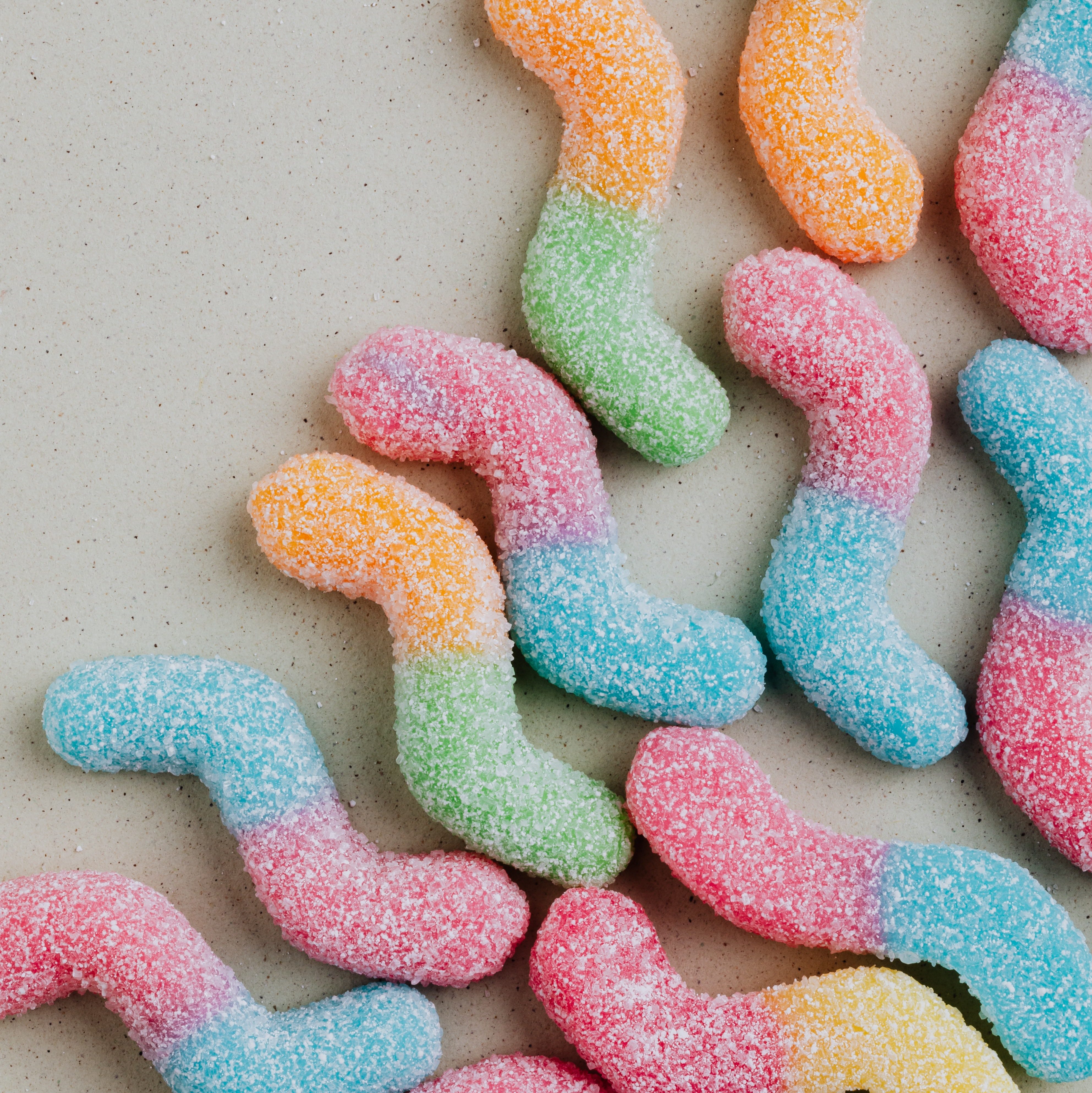
- Chocolate – Chocolate has toxic substances called methylxanthines, which are stimulants that stop a dog’s metabolic process. Even a little chocolate, especially dark chocolate, can cause diarrhea and vomiting. A large amount can cause seizures, irregular heart function, and even death.
- Alcohol – Alcohol and food products containing alcohol can cause vomiting, diarrhea, decreased coordination and nervous system function, difficulty breathing, tremors, abnormal blood acidity, coma and even death.
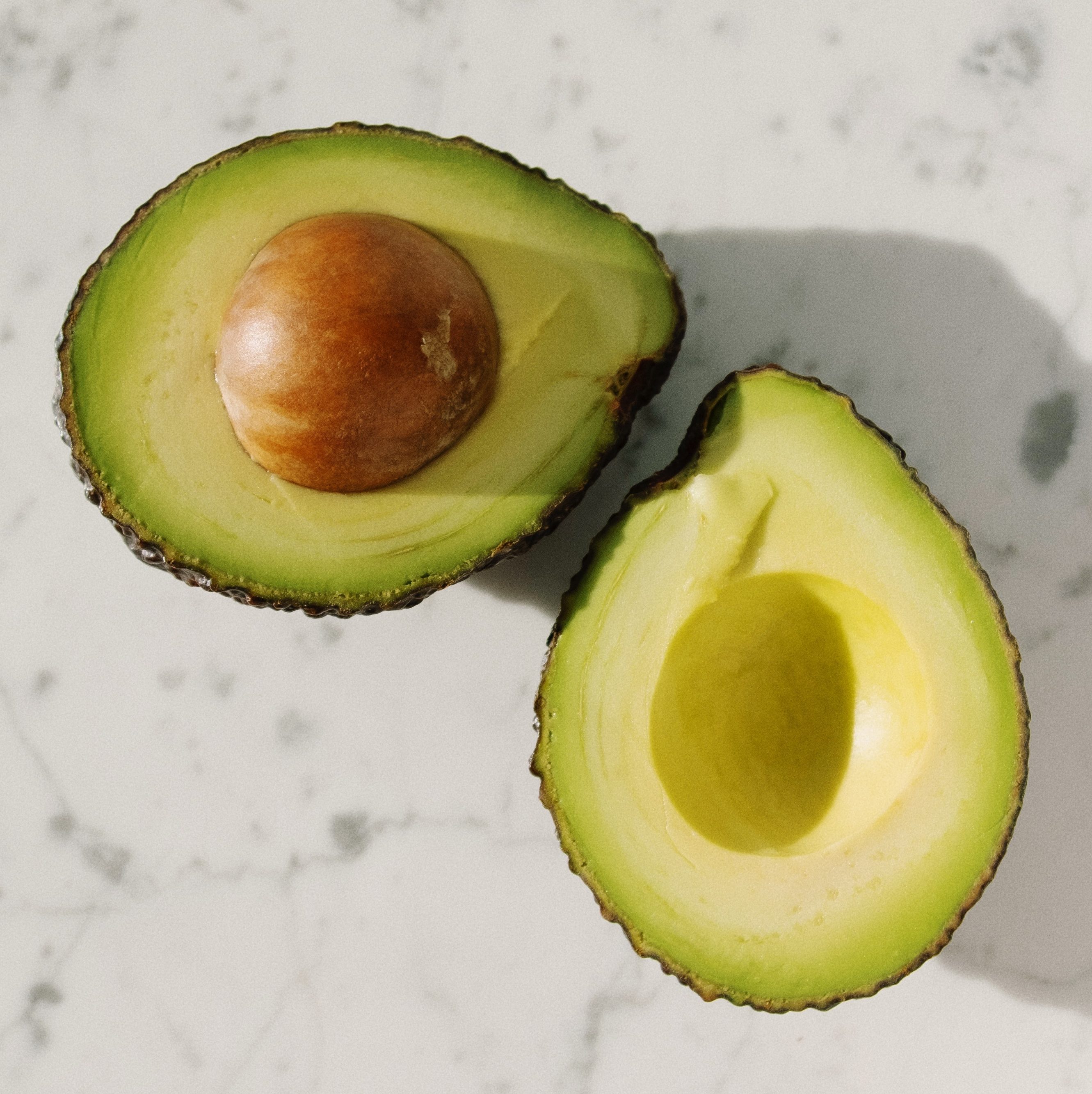
- Avocado – Avocados have something called Persin. It’s fine for people who aren’t allergic to it. But too much might cause vomiting or diarrhea in dogs. If you grow avocados at home, keep your dog away from the plants. Persin is in the leaves, seed, and bark, as well as the fruit. Also, the avocado seed can become stuck in the intestines or stomach, and obstruction could be fatal.
- Garlic – Like onions, leeks, and chives, garlic is part of the Allium family, and is five times more toxic to dogs than the rest of the Allium plants. Garlic can create anemia in dogs, causing side effects such as pale gums, elevated heart rate, weakness, and collapse. Poisoning from garlic and onions may have delayed symptoms, so if you think your dog may have eaten some, watch him or her for a few days, not just right after consumption.
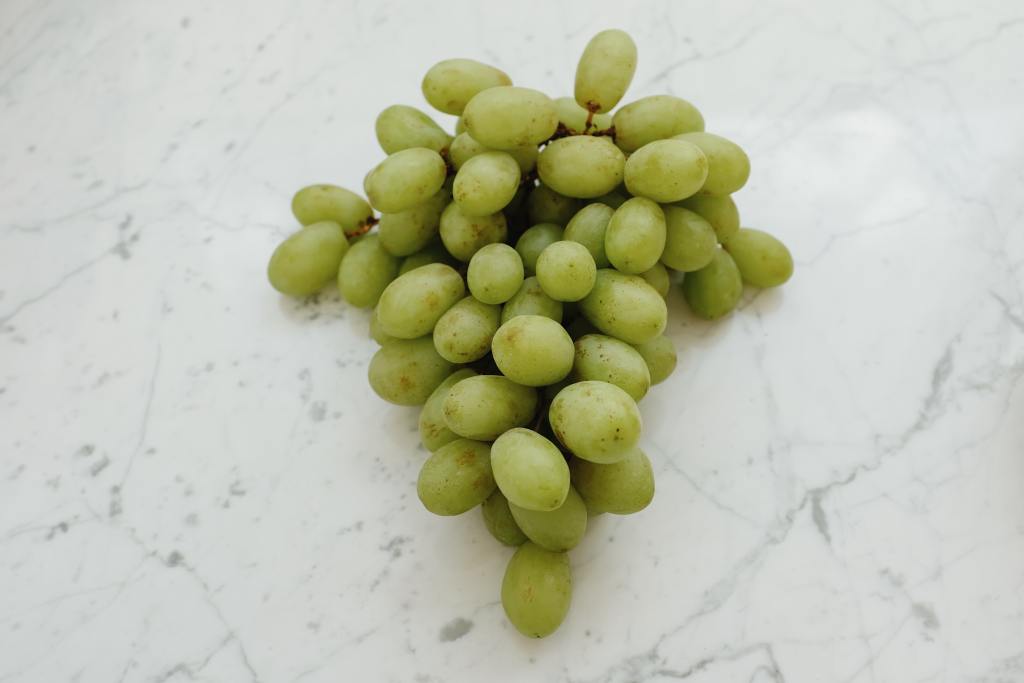
- Grapes and Raisins – Although the toxic substance within grapes and raisins is unknown, these fruits can cause kidney failure. Until more information is known about the toxic substance, it is best to avoid feeding grapes and raisins to dogs.
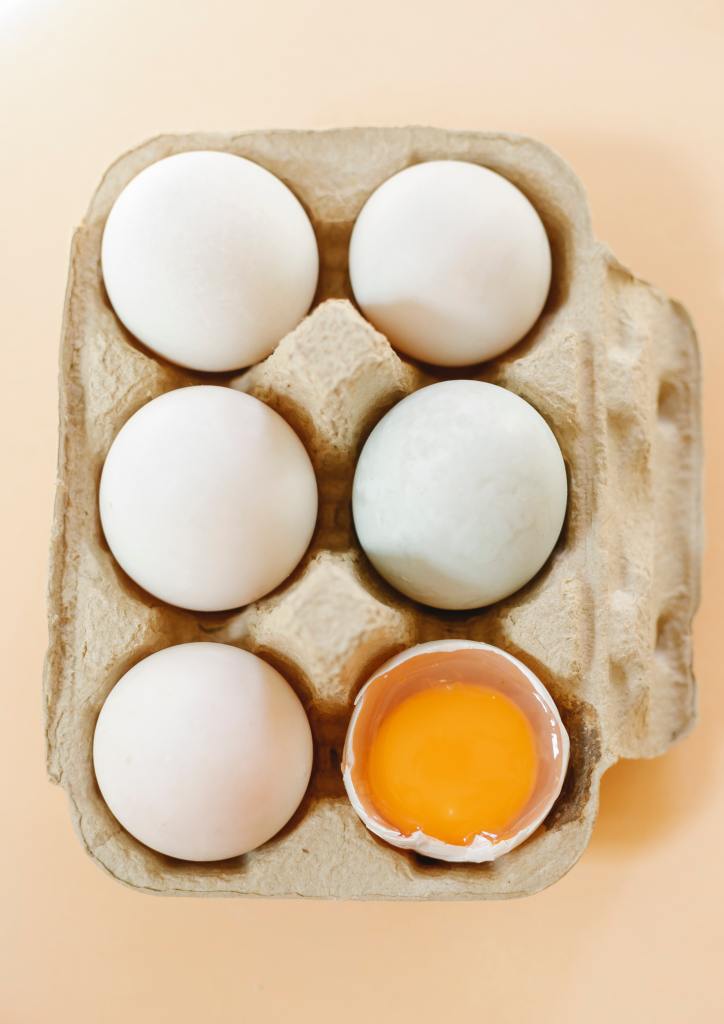
- Raw/Under cooked Meat, Eggs and Bones – Raw meat and raw eggs can contain bacteria such as Salmonella and E. coli that can be harmful to pets and humans. Raw eggs contain an enzyme called avidin that decreases the absorption of biotin (a B vitamin), which can lead to skin and coat problems. Feeding your pet raw bones may seem like a natural and healthy choice that might occur if your pet lived in the wild. But this can be dangerous for a domestic pet, who might choke on bones, or sustain a grave injury should the bone splinter and become lodged in or puncture your pet’s digestive tract.
- Fat Trimmings and Bones – Fat trimmed from meat, both cooked and uncooked, can cause pancreatitis in dogs. And even though it seems natural to give a dog a bone, they can choke on it. Bones can also splinter and block or cause cuts in your dog’s digestive system.
- Yeast Dough – Yeast dough can rise and cause gas to accumulate in your pet’s digestive system. This can be painful and can cause the stomach to bloat, and potentially twist, becoming a life-threatening emergency. The yeast produce ethanol as a by-product and a dog ingesting raw bread dough can become drunk (See alcohol).
- Milk and Other Dairy Products – Milk and milk-based products can cause diarrhea and other digestive problems for your pup. They can also trigger food allergies, which can cause them to itch.
If your pet has eaten any of the foods on this list, please contact your veterinarian or local Animal Poison Control Center. If possible, let them know the amount your pet has eaten as well.
Sources:
ASPCA Animal Poison Control Center at (888) 426-4435
 Cindy Ella Speaks