
As dogs grow older, they require different kinds of care and attention to maintain their health, happiness, and comfort. Senior dogs may face age related challenges such as mobility issues, arthritis, dental problems, and changes in behavior. However, with the right care, you can help your senior dog live out their golden years in comfort and with joy.
What Age Is a Dog Considered a Senior?
The age that dogs are classified as seniors varies based on their breed. Maltese dogs are considered seniors at around 8 – 9 years of age. While Smaller dogs, like Yorkshire Terriers, tend to have a longer lifespan and are considered seniors at around 11 years of age.

Medium and large sized breed dogs, such as Labrador Retrievers, reach senior status at the age of 7. In contrast, giant breed dogs, such as Great Danes, have a much shorter lifespan and may be classified as seniors as early as 5 years of age.
Mixed breed dogs can be considered seniors at approximately 7 years of age. Since it is often difficult to determine the exact breed makeup in these dogs, this estimate may fluctuate. Your dog’s veterinarian will be able to discuss an estimated life span and corresponding life stages after completing a full exam.
Recognizing when your dog becomes a senior is important because their needs are different from those of puppies and adult dogs. For example, senior dogs veterinary visits for health issues become more frequent, their dietary needs change, and they may require medications or supplements on a regular basis to manage pre-existing conditions.
Regular Vet Check-ups
As your dog ages, regular vet visits become even more critical. Older dogs are more susceptible to a range of health issues, including heart disease, kidney problems, arthritis, and dental disease. Regular check-ups ensure early detection and treatment of these issues, which can make a significant difference in your dog’s quality of life. Your vet may recommend more frequent blood work, urinalysis, or x-rays to monitor internal health. Discuss any concerns you may have about your dog’s behavior or changes in their routine. Be sure to keep track of their weight, coat condition, and overall energy levels.

Diet and Nutrition
The dietary needs of senior dogs often differ from those of younger dogs. Many senior dogs become less active, so they may need fewer calories, but their bodies also need extra nutrients to support aging joints, maintain muscle mass, and promote a healthy coat. Maintaining a healthy weight is crucial for a senior dog’s health. Some senior dogs, especially those who are obese, have a lower caloric requirement compared to puppies and adults because their metabolism naturally slows down as they age. However, if a senior dog has a difficult time maintaining weight, they may require more calories. There is no one-size-fits-all approach to senior pet nutrition, this is where veterinarian guidance is essential in choosing the right diet for your beloved best friend.
- Weight management: Ensure your dog stays at a healthy weight to avoid excess strain on joints and internal organs. If your dog has gained weight due to a slower metabolism, you may need to switch to a lower-calorie food or provide smaller, more frequent meals.
- Quality ingredients: Choose high-quality food with lean proteins, vegetables, and fruits. Omega-3 fatty acids (found in fish oils) are particularly helpful for promoting skin health and reducing inflammation. If your dog has specific health concerns like kidney disease or food allergies, your vet may suggest a specialized diet.
Exercise and Mobility
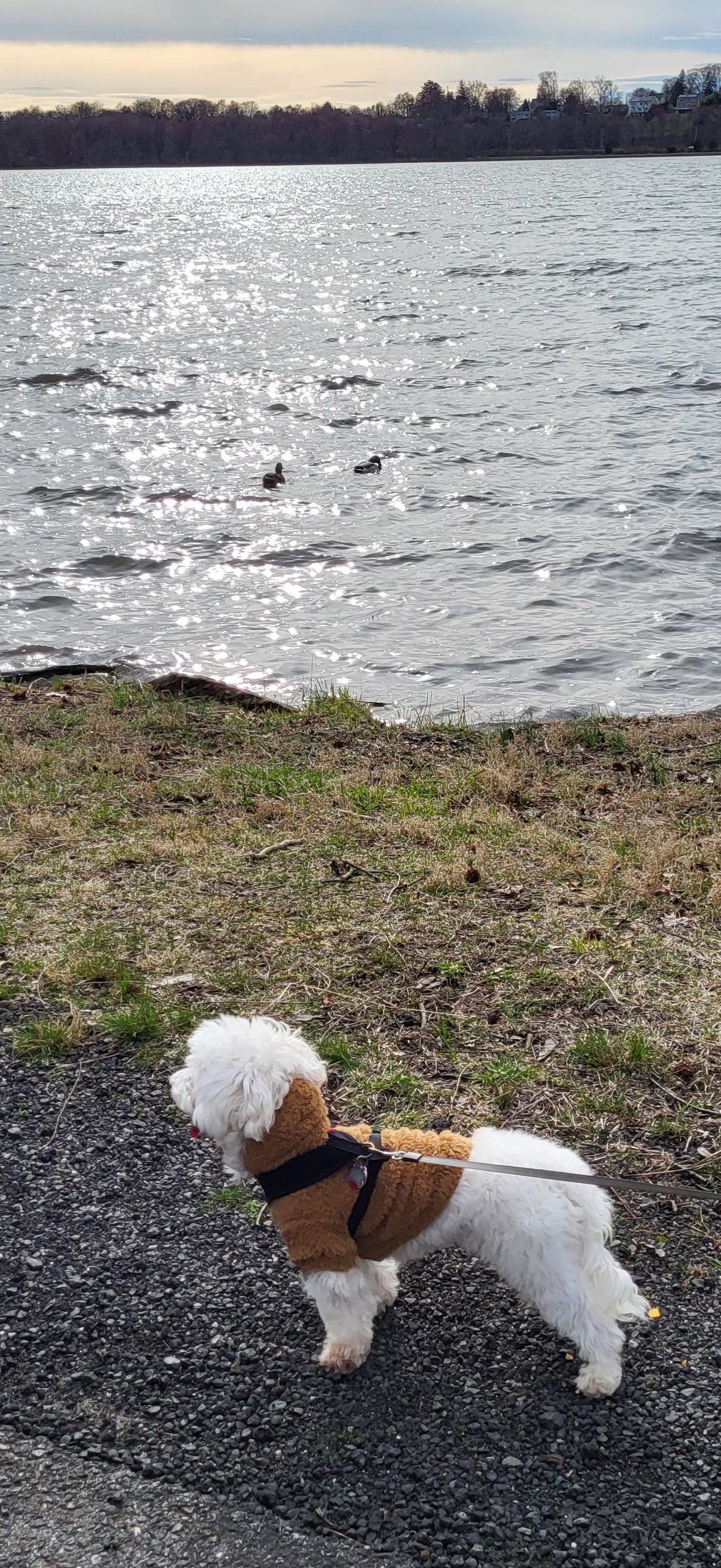
While your senior dog might not have the same energy level as when they were a puppy, regular exercise is still important for maintaining mobility, muscle mass, and mental stimulation.
- Set Up Dog Stairs and Ramps: Just like people, dogs can experience stiff joints and decreased mobility as they age. Helping them get up and down stairs, on and off furniture, and in and out of the car will be greatly appreciated. Using a ramp or steps to help your dog get around will reduce the pain.
- Low-impact activities: Gentle walks, swimming, and short play sessions are great ways to keep your senior dog active without putting undue stress on their joints.
- Monitor for discomfort: Keep an eye on how your dog reacts during or after exercise. If they show signs of pain or fatigue (like limping or reluctance to move), it might be time to adjust their routine. Arthritis is common in older dogs, and your vet may suggest joint supplements or pain medication to make movement more comfortable.

Dental Care
Dental health becomes more of an issue as dogs age. Tartar buildup, gum disease, and even tooth loss can occur, leading to pain, difficulty eating, and systemic infections.
- Brush your dog’s teeth regularly: Using a dog-specific toothbrush and toothpaste, brush your dog’s teeth several times a week. If brushing isn’t feasible, dental chews or water additives can help.
- Regular dental check-ups: Ask your vet to check your dog’s teeth during regular visits, and have professional cleanings performed if necessary.
- Watch for signs of oral pain: If your dog has trouble eating, drools excessively, or avoids chewing, it may be a sign of dental discomfort.
Mental Stimulation
Just like physical health, your dog’s mental health is equally important in their senior years. Cognitive decline is common in older dogs, and it can affect their behavior, memory, and learning abilities.
- Interactive toys: Puzzle toys and treat-dispensing toys are excellent tools to keep your dog mentally engaged and provide a source of entertainment.
- Routine: Older dogs often thrive on routine, so try to keep their daily schedule consistent. This can help reduce anxiety and confusion.
- Dog Training: Short, low-stress training sessions can provide mental stimulation and strengthen your bond. Teaching your dog a new trick or reinforcing basic commands can be a great way to engage their mind.
Comfortable Living Environment

As dogs age, they may need extra comfort and accommodations in their environment. This includes softer bedding, easier access to food and water, and sometimes a quieter space to rest.
- Be Mindful of Temperature Changes: As our dogs age and their bodies change, they become more sensitive to outside conditions. Senior dogs, regardless of breed, are more susceptible to hot and cold weather, so make sure you’re able to keep them cool during summer and warm during winter. Add some more blankets to their beds and even consider keeping a coat on your dog while they’re inside if it’s extra chilly out.
- Access to necessities: Place food and water bowls in easily accessible locations, especially if your dog has trouble moving around. Raised bowls can be helpful for some dogs with arthritis.
Managing Behavior Changes
It’s not uncommon for senior dogs to experience behavioral changes as they age. Cognitive dysfunction syndrome (CDS), similar to dementia in humans, can affect a dog’s behavior, causing confusion, disrupted sleep patterns, and anxiety. If your dog seems more confused, forgets commands, or is more anxious, talk to your vet. They may recommend specific treatments or medications to help manage these changes.
The Emotional Side of Aging
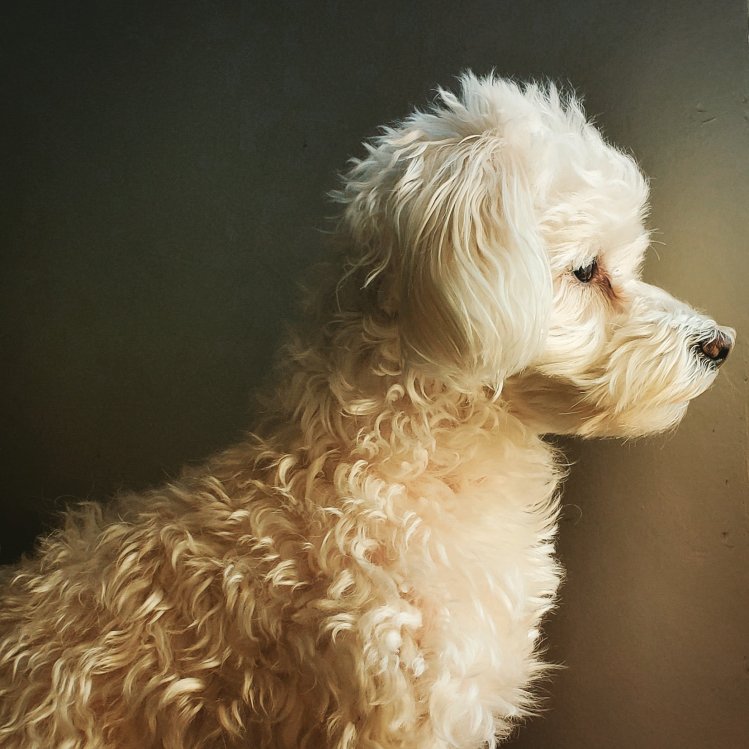
As your dog ages, they may become more dependent on you for comfort and security. Offering them extra love, attention, and companionship can help alleviate anxiety and stress. Spend time with your senior dog in a calm and loving way. This might include relaxing together on the couch, brushing their coat, or simply sitting near them. While your dog may not have the energy for group play, allowing them to interact with other dogs or people can be emotionally beneficial.
Taking care of a senior dog requires patience, understanding, and a willingness to adapt to their changing needs. By focusing on their health, comfort, and well-being, you can ensure that their golden years are full of love, joy, and quality of life. Remember, every dog is unique, so it’s important to work closely with your vet to provide the best care possible tailored to your dog’s specific needs.
Sources:
 Cindy Ella Speaks