As the seasons change, so do the needs of our beloved canine companions. As we adjust our routines and habits with the weather, it’s essential to pay special attention to our dogs’ care during different seasons. Whether it’s the heat of summer or the chill of winter, here are some crucial tips to ensure your dog stays happy and healthy year-round.
As an Amazon associate, I earn from qualifying purchases.


Summer:
Stay Hydrated: Like humans, dogs can quickly become dehydrated in the heat. Always have fresh water available, especially during outdoor activities.
Avoid Overexertion: Exercise is essential, but during hot days, opt for early morning or late evening walks when temperatures are cooler. Watch for signs of overheating such as excessive panting or lethargy.
Never leave your dog unattended: On a hot day, leaving your dog in direct sunlight or in a closed vehicle can be hazardous. When it’s only 80 degrees outside, the inside of a car can heat up to more than 120 degrees in minutes. Leaving the windows partially rolled down will not help. Heatstroke can occur and lead to brain damage or death. Signs of heatstroke are panting, drooling, rapid pulse and fever. Immediately immerse the dog in cool water and seek emergency veterinary assistance.
Protect from the Sun: Dogs with short coats or light skin can sunburn. Consider applying pet-safe sunscreen to their ears and nose if they will be outside for extended periods.
Prevent Pests: Summertime brings out fleas, ticks, and mosquitoes. Use appropriate preventive treatments recommended by your veterinarian.
For beach and swimming tips Check out this article by American Kennel Club, “Canine Summer Safety Tips”

Fall:
Monitor Weight: Dogs may be more or less active depending on the season, so adjust their food intake to maintain a healthy weight.
Watch for Allergies: Fall allergens like ragweed can affect dogs too. Keep an eye out for excessive itching, redness, or ear infections.
Keep Walks Safe: Falling leaves can hide hazards like mushrooms or sharp objects. Keep your dog on a leash and clear paths before letting them explore.
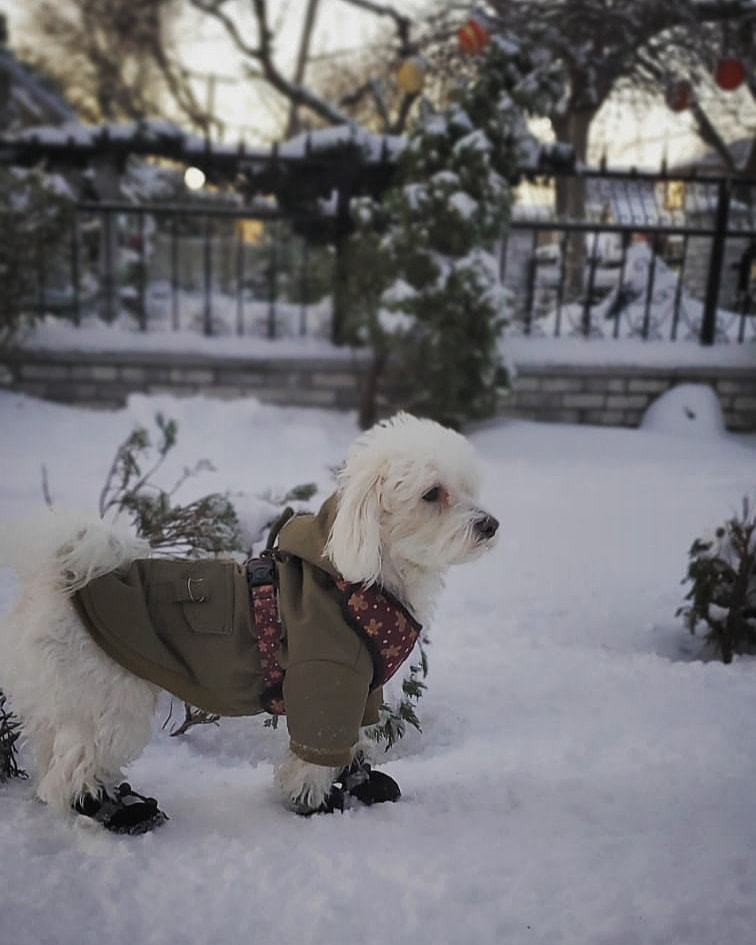
Winter:
Provide Shelter: If your dog spends time outdoors, ensure they have access to a dry, draft-free shelter that is insulated against the cold.
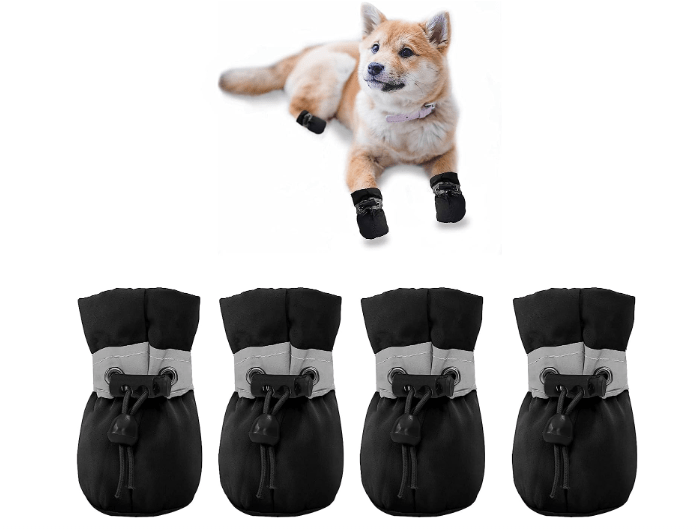
Protect Paws: Ice, snow, and de-icing chemicals can harm paw pads. Consider using pet-safe salt or booties and wipe their paws after walks.
Monitor Temperature: Dogs can get hypothermia and frostbite. Limit outdoor time during extreme cold and watch for signs like shivering, lethargy, or disorientation.

During the winter months, one of the common issues cats and dogs face due to cold weather is joint pain, Atmospheric pressures may play a role in causing joints to expand and stretch already inflamed tissues in our arthritic pets. Talk to your veterinarian about which joint supplements could be right you’re your pet.
Spring:
Check for Parasites: Springtime means parasites are active again. Ensure your dog is up-to-date on flea, tick, and heartworm prevention medications.
Spring Cleaning Safety: Keep cleaning products, fertilizers, and plants (like lilies or daffodils) out of reach, as they can be toxic to dogs if ingested. Check out this article by ASPCA.org “Poisonous Plants.”
Update Identification: With more outdoor activities, ensure your dog’s ID tags and microchip information are current in case they wander off.
General Tips for Every Season:

Regular Vet Visits: Schedule regular check-ups to keep vaccinations, flea, and worm treatments up-to-date and address any health concerns promptly.
Grooming: Regular grooming helps maintain your dog’s coat health, regardless of the season. Brushing removes dead hair and distributes natural oils.
Pay Attention to Behavior: Your dog’s behavior can indicate changes in health or comfort level. Monitor for changes in appetite, energy levels, or any unusual symptoms.
Never use fireworks around pets: Exposure to lit fireworks can potentially result in severe burns or trauma, and even unused fireworks can contain hazardous materials. Many pets are also fearful of loud noises and can become lost, scared or disoriented.
By following these seasonal care tips, you can ensure your dog enjoys each season safely and comfortably. Remember, every dog is unique, so tailor these tips to fit your pet’s specific needs and consult with your veterinarian for personalized advice. With proper care and attention, you and your canine companion can make the most of every season together.
References:
ASPCA.org – Hot Weather Safety Tips
be.chewy.com – 7 Winter Pet Safety Tips to Keep Your Fur Baby Warm, Healthy and Comfy
 Cindy Ella Speaks