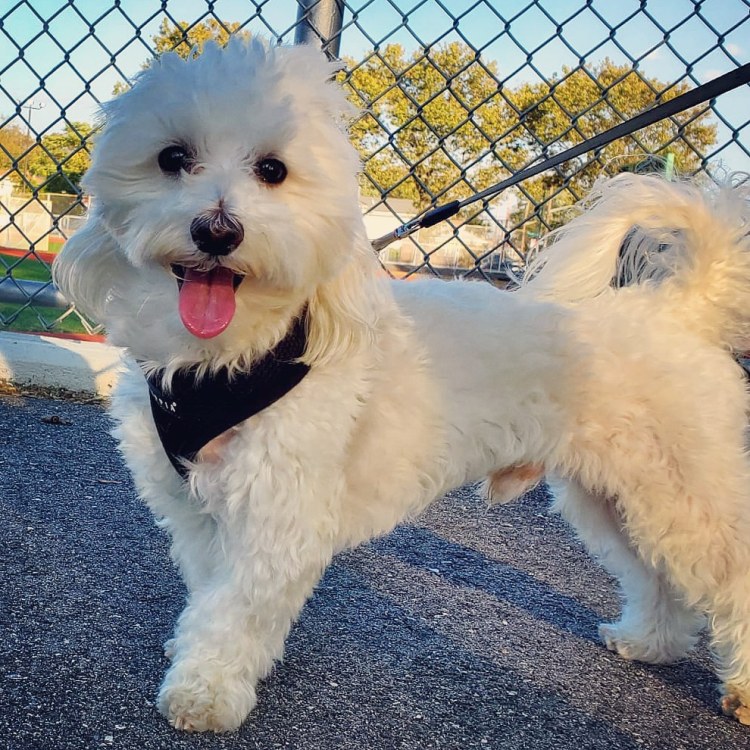
Welcoming a puppy into your home is an exciting and heartwarming experience. From the moment they pad their tiny paws into your life, you embark on a journey filled with joy, companionship, and yes, a fair share of challenges. Puppy training is a crucial step in shaping your furry friend. It’s important to note that all your interactions with your puppy are potential lessons. Everything from the way you greet them to how you walk them on a leash will teach your puppy what is and isn’t acceptable behavior. We will explore some essential tips and techniques to make the puppy training process easier for both you and your new companion.
As an Amazon associate, I earn from qualifying purchases
Positive Reinforcement

Positive reinforcement is the cornerstone of effective puppy training. This method involves rewarding your puppy for desirable behaviors, such as sitting when asked or going potty outside or on the pad. By using treats, praise, or toys as rewards, you encourage your puppy to repeat these behaviors in the future. Remember to be consistent and timely with your rewards to reinforce the desired actions effectively.
Remember to conduct lessons when they are well-rested. Make sure they are ready to go but not too excited, as it might be tougher for them to focus. Take your pup outside for a potty trip before and after training. You’ll need a pocket full of high-value puppy treats which are small but also tasty enough to keep your puppy engaged in the training game.
Don’t Use Harsh Methods
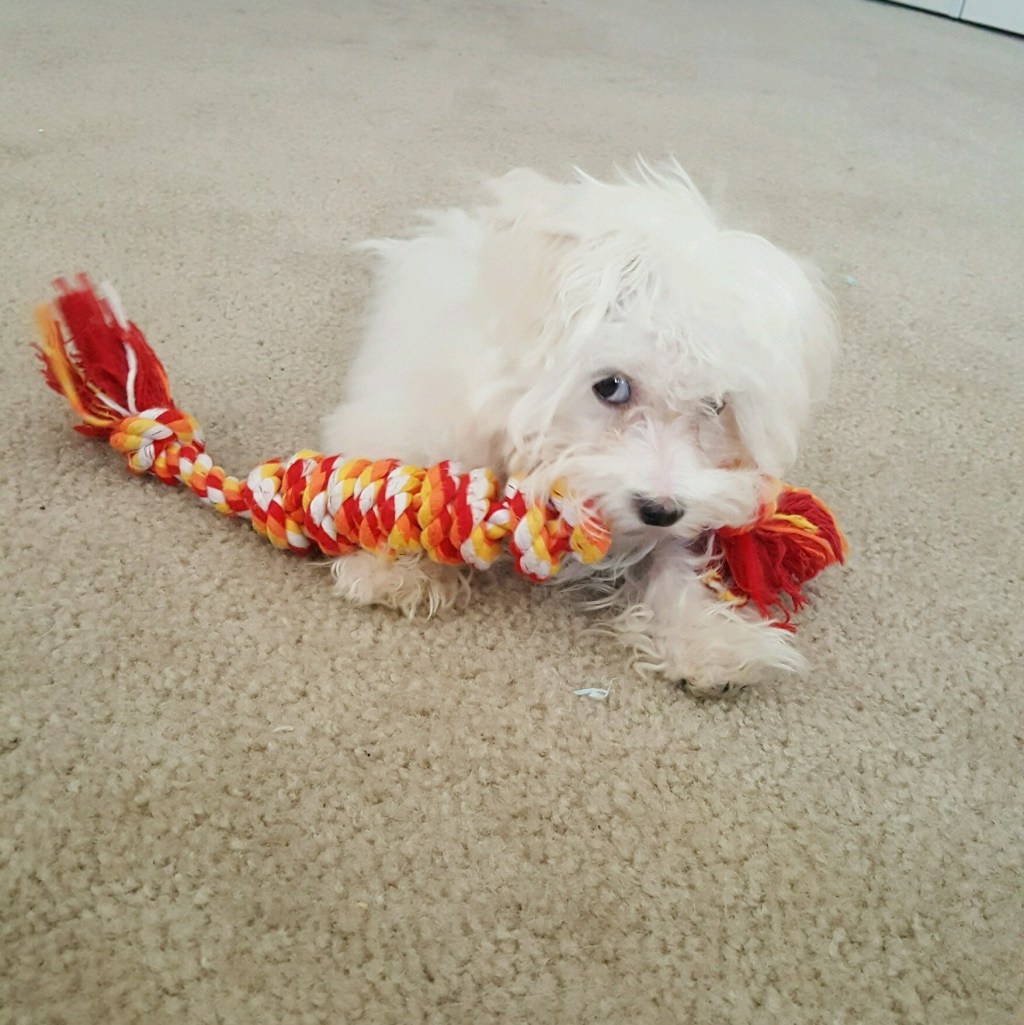
Positive reinforcement doesn’t mean being permissive. Without rules and boundaries, dogs will be dogs. Harsh methods are not necessary to teach your dog how you want them to behave. You need perfect timing, for one. Dogs live in the moment so yelling at your puppy for chewing a shoe when the chewing happened even a few seconds ago is pointless. It will make you seem unpredictable and frightening to your pet, which will erode your bond with your pup.
Instead of using harsh methods that focus on what your puppy did wrong, focus on what your puppy is doing right. And teach them alternative behaviors that are incompatible with the problem behavior, like chewing a toy rather than your shoe or going to their bed rather than begging at the table. When your dog does the preferred alternative, reward them, so they know it’s worth their while.
Focus on crate and potty training
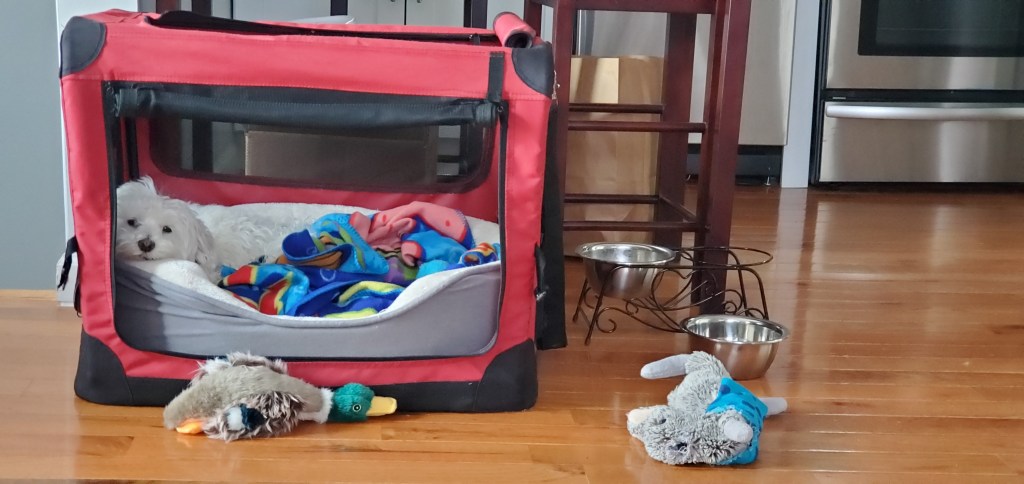
Remember when you teach your dog crate training, you’re also working on house training at the same time. Your most important goals at this stage are helping your pup learn that the crate is a happy place, and that they get paid with a small treat immediately after they potty outside.
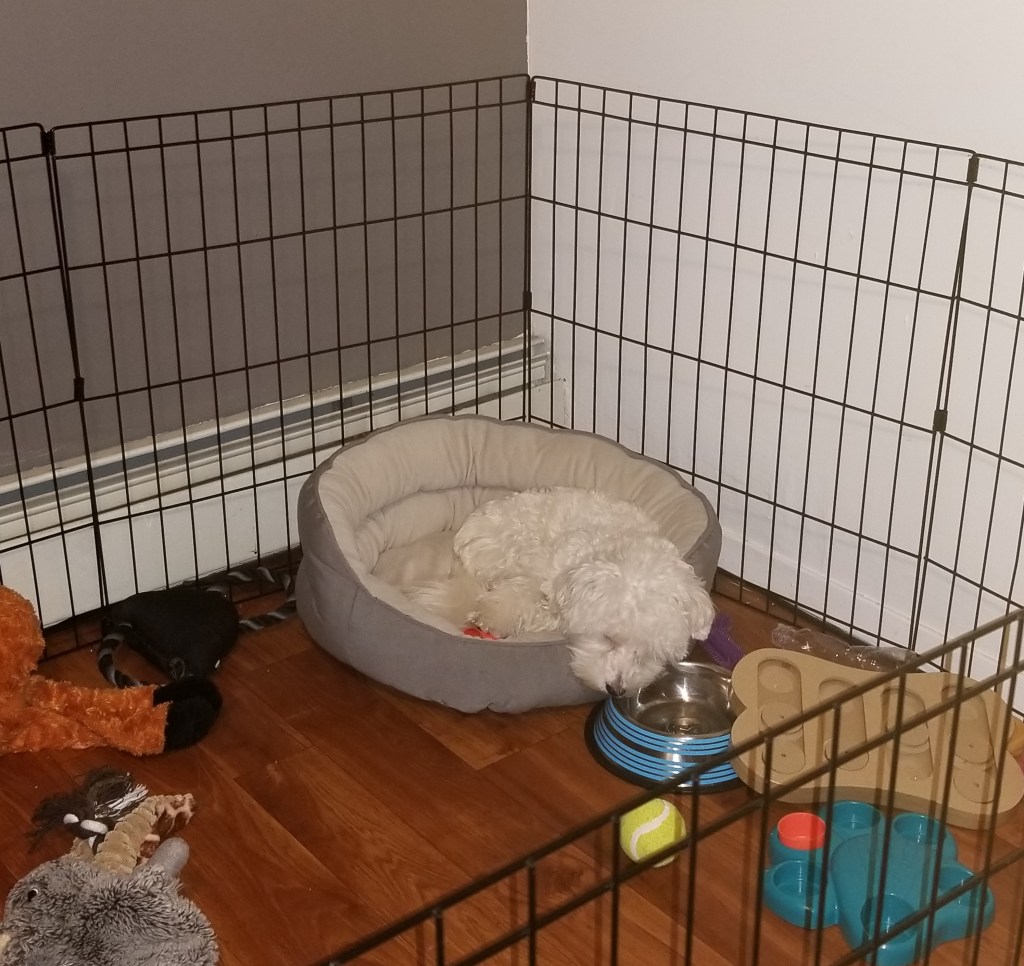
The size of the crate should be big enough so that your puppy can stand up, turn around and lie down. Keep the crate in a common room in your house not the basement or garage. Your puppy shouldn’t view going into the crate as banishment. Slowly introduce snacks, feeding time and toys in the crate. Continue this process in a few short sessions until your puppy goes into their crate without hesitating.
Your pup’s daily schedule should include potty trips outside about 10–15 minutes after meals, potty trips after play sessions, after meeting new friends, after waking from a nap, and before and after crating. Accidents can happen when pups wander around the house unattended, so plan to crate your puppy when you can’t watch them and use pet gates when inside.
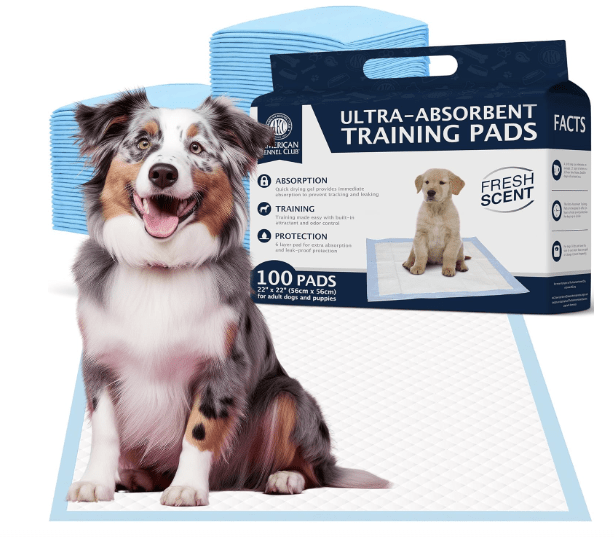
If you catch your dog mid-squat, simply distract them with noise, like a hand clap, then immediately take them out to finish. Be sure to reward them for finishing in the right spot. If you scold or punish the accident, you will end up with a stealth pooper who won’t go in front of you. If you didn’t witness the accident, simply clean up the mess and supervise better next time. Keep in mind that it can take your dog up to six months to be fully house-trained.
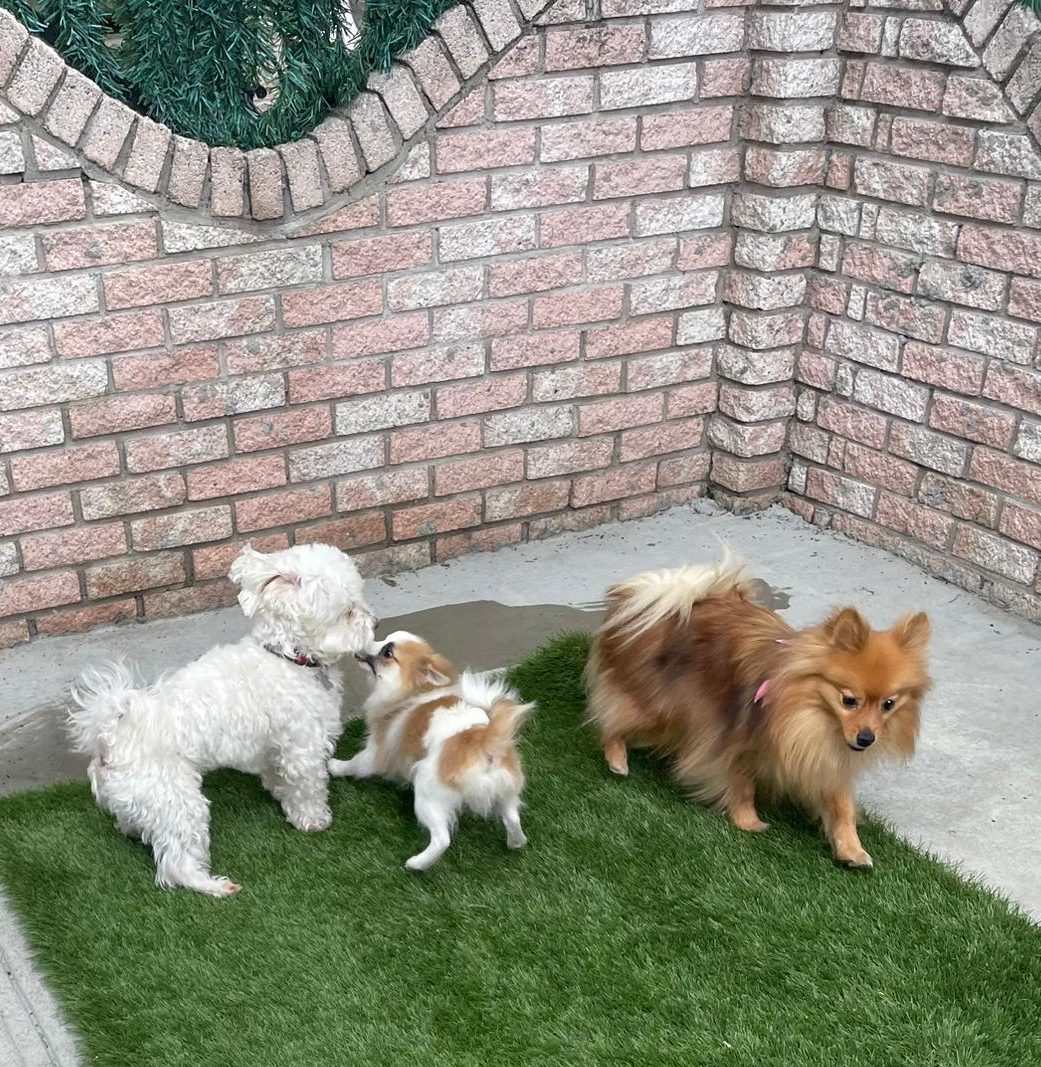
Expose Them to New Experiences
Socialization plays an important role in shaping your puppy’s behavior and temperament. Once your pup is vaccinated, introduce them to various people, animals, sounds, and environments from a young age. This exposure helps prevent fearfulness and aggression later in life and fosters confidence and adaptability in your puppy. Gradually expose them to new experiences, ensuring that each interaction is positive and non-threatening.
Seek Professional Guidance When Needed
While many aspects of puppy training can be handled at home, don’t hesitate to seek professional guidance if you encounter difficulties. A qualified dog trainer can provide personalized advice, address specific behavior issues, and offer valuable insights into your puppy’s needs. Whether it’s obedience classes, one-on-one sessions, or online resources, there are plenty of options available to support you on your puppy training journey.
Set Boundaries and Rules
It’s essential to establish clear boundaries and rules for your puppy from the beginning. Decide what behaviors are acceptable and unacceptable, and consistently enforce these rules. Use positive reinforcement to reward good behavior and redirect or ignore unwanted behavior. Consistency is key to teaching your puppy what is and isn’t allowed.
Puppy training is much more than teaching commands and correcting behaviors; it’s a journey of love, patience, and mutual understanding. By laying a strong foundation of positive reinforcement, consistency, and socialization, you will foster a lifetime of happiness and companionship. Embrace the challenges, celebrate the victories, and cherish every moment spent with your furry friend.
Resources:
 Cindy Ella Speaks