
Having a dog is a lot of responsibility, but once you get the hang of it your pet parent journey can be rewarding, fulfilling, fun! One of the most Important aspects of dog care is nutrition. The best foods to feed your dog are those that provide balanced nutrition to support their overall health and well-being. Here are some of those options.
As an Amazon associate, I earn from qualifying purchases
High-quality Commercial Dog Food:
Look for brands that have real meat as the first ingredient and contain a balance of protein, carbohydrates, fats, vitamins, and minerals. American Kennel Club (AKC) explains, the product name alone tells you a lot about what’s inside the can or bag. The term “beef” means that beef must make up at least 70 percent of the entire product. The terms “beef dinner,” “beef entrée,” or “beef platter,” on the other hand, only require that beef makes up at least 10 percent of the entire product. “With beef” requires that 3 percent of the total product be beef, and “beef flavor” implies that there is enough beef in the product to flavor it (less than 3 percent). The same holds true for other named ingredients like “chicken.”
Choose options that are formulated for your dog’s age, size, and activity level. Dogs require a wide range of nutrients in different quantities over the course of their lives. The nutritional needs of a puppy are different from an adult dog. If you are unsure about the differences in nutritional requirements between puppies and adults, the Merck Veterinary Manual lists the recommended nutrients for dogs, along with the recommended amount by weight and age. According to the American Kennel Club (AKC) learning how to read the dog food label is a crucial part in making the best dog food selection for your pup. This is easier said than done, as labels can be hard to read and sometimes misleading, as the Merck Veterinary Manual also explains, dog food labels are required by the Food and Drug Administration (FDA) to tell you eight key pieces of information, and individual states may also have their own labeling requirements:
• Product name
• Net weight of the product
• Name and address of the manufacturer
• Guaranteed analysis
• List of ingredients
• Intended animal species (i.e. dog or cat)
• Statement of nutritional adequacy
• Feeding guidelines
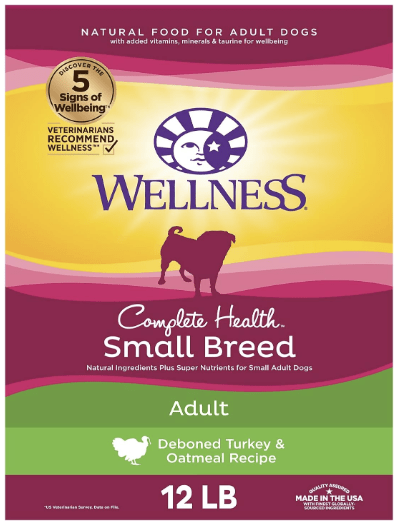
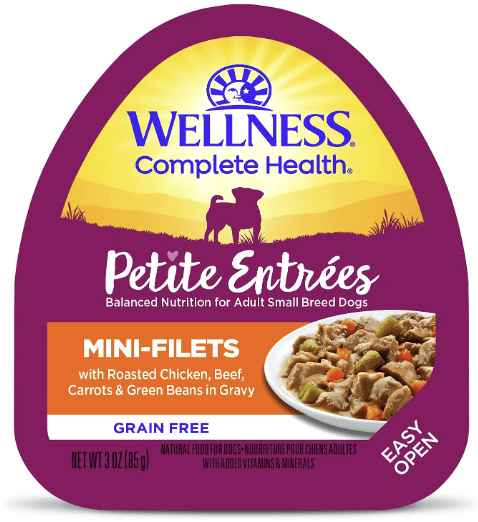
On a Personal note, Wellness Dog Food has been my dog food of choice for over 7 years. My 7lbs Maltese dog Kingston has been eating a wet and dry mix of Wellness Brand food his entire life. You don’t have to take my word for it. Good Housekeeping magazine has released their list of “The Best Dog Food of 2024” feel free to check out this list and hopefully find a good fit for your pup!

Fresh fruits and vegetables:
Many dogs enjoy fruits and vegetables as snacks or additions to their meals. Some safe options include apples (remove seeds), carrots, blueberries, and green beans. My Kingston’s favorites are apples and blueberries. For the most part I substitute traditional treats with apples or blueberries
Cooked meats and fish:
Lean meats such as chicken, turkey, beef, and fish can be excellent sources of protein for your dog. Make sure they are cooked thoroughly and free from any seasonings or sauces that could be harmful.
Whole grains:
Brown rice, oats, and quinoa are good sources of carbohydrates and fiber for dogs. They can provide energy and aid in digestion. Avoid feeding your dog foods with excessive amounts of refined grains or added sugars.

Dairy products:
Some dogs can tolerate small amounts of plain yogurt, cottage cheese, or cheese as occasional treats. However, many dogs are lactose intolerant, so monitor your dog for any signs of digestive upset after consuming dairy.
Eggs:
Eggs are a great source of protein and essential fatty acids for dogs. They can be fed cooked or raw, but it’s generally safer to feed them cooked to reduce the risk of salmonella.
Supplements:
Depending on your dog’s specific needs, supplements such as fish oil (for omega-3 fatty acids), glucosamine and chondroitin (for joint health), and probiotics (for digestive health) may be beneficial. However, it’s essential to consult with your veterinarian before adding any supplements to your dog’s diet.
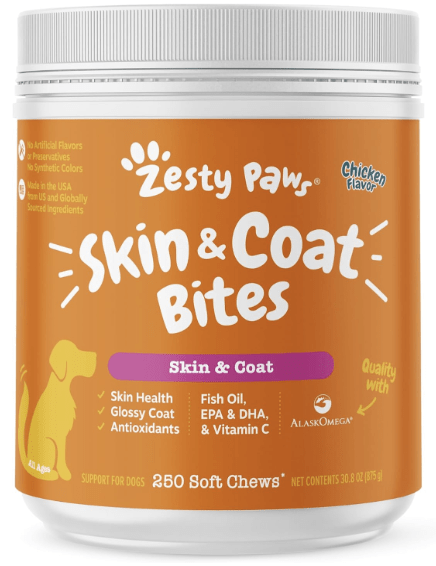
In the beginning of 2023, I noticed Kingston started running on 3 legs. He was reluctant to put any weight on his right back leg. After observing him for a few days I decided to take him to the vet. It was determined that Kingston had developed luxating Patella. Patellar luxation occurs when the kneecap slides or pops out of place from the femoral groove when the knee flexes, causing dislocation. Some toy and small breeds are the most susceptible to suffering from luxating patella. Researchers believe there may be a genetic link in some small breed dogs and Kingston was showing evidence of this. The veterinarian advised that his symptoms show that he was between Grade 1 and 2 in severity and that surgery was not needed at this time but, she recommended I started giving him fish oil (for omega-3 fatty acids) daily. There is substantial scientific evidence that marine sources of omega-3 fatty acids provide anti-inflammatory benefits to the joints, which can help to prevent damage to delicate joint cartilage.
I am happy to say that within a month I saw improvement, and over a year later I have not seen him Hopping, Limping, or showing any discomfort. I have continued to monitor him and check in with the vet regularly.
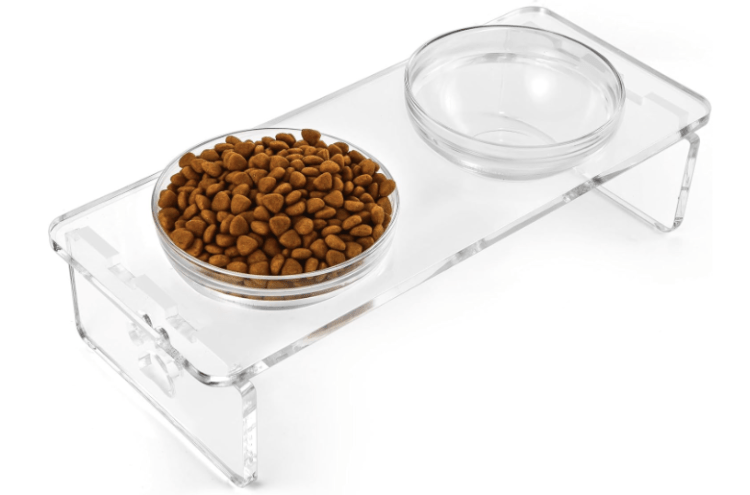
Lastly, remember to always provide plenty of fresh water and to avoid feeding your dog foods that are toxic or harmful, such as chocolate, caffeine, alcohol, onions, garlic, grapes, raisins, and foods high in fat or salt. I have written a blog article about “10 People Foods You Should Never Feed Your Pup” please feel free to check it out! Additionally, be mindful of portion sizes to prevent obesity and consult with your veterinarian if you have any concerns about your dog’s diet or nutritional needs.
References:
AKC, Best Dog Food for Small Breeds
 Cindy Ella Speaks