Thinking of visiting Jamaica? There are more than enough reasons to explore this vibrant island. The sun, the beaches, the people, the music, are all great reasons to visit, but the food is the best crash course into Jamaican culture you could ask for. Its time to dive into what makes food an important staple in Jamaican culture. What are the basics of Jamaican cuisine? And lastly, what are some of the most popular dishes?
Culture is important
Jamaica’s motto “Out of Many, One People” speaks of the multicultural roots of the Jamaican people. Jamaican cuisine consists of African, European, Indian, Chinese, Middle Eastern and South American influences. The food found in Jamaica reflects this rich heritage in its variety and flavor, which blends local staples with a variety of exotic seasonings and preparations. With that being said, jamaicanfoodsandrecipes.com put together a list of some “seasoning staples” that are consistent in Jamaican cuisine. Here are the top five herbs and spices used in Jamaican cooking:
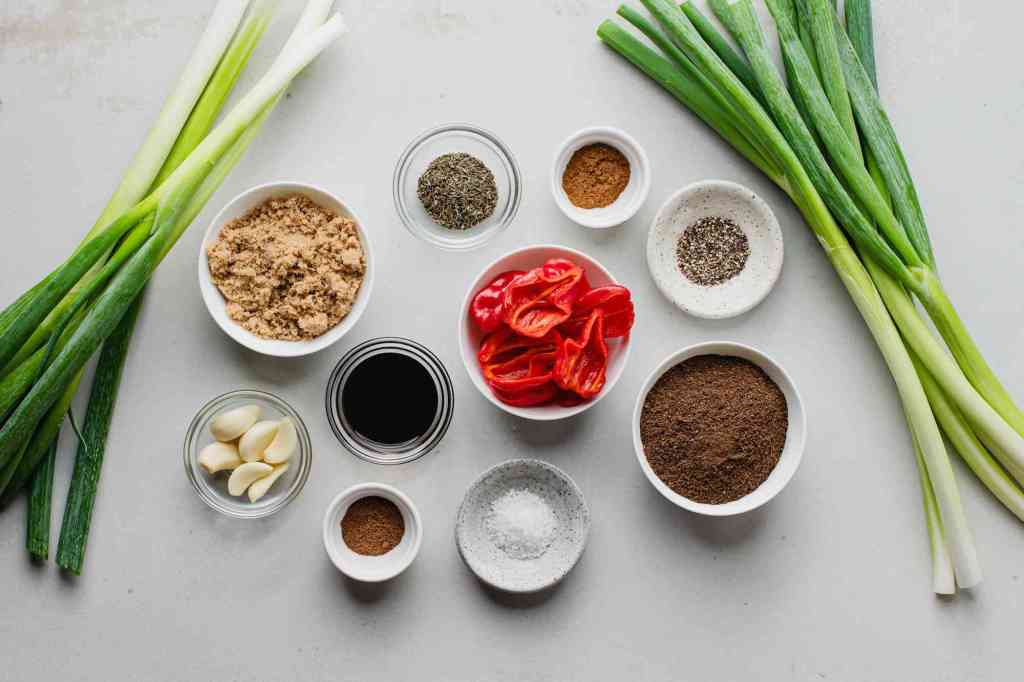
- Pimento (Allspice)
- Scotch Bonnet Pepper
- Jamaican Ginger
- Scallion
- Thyme
Popular Dishes
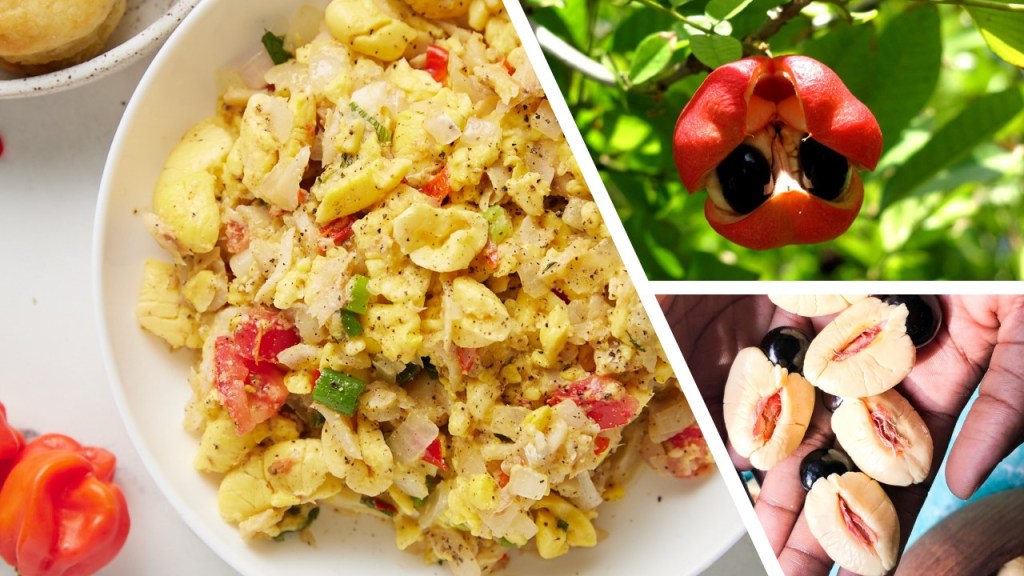
The main ingredient in Jamaica’s national dish Akee and salt fish (cod fish) is Akee. Ackee is a savory fruit with thick red skin; when unripe, the skin forms a sealed pod, but when the fruit ripens, the skin opens up to reveal a petal-like shape containing three or four yellow pegs topped with a single black seed. Native to West Africa, Ackee came to Jamaica along with enslaved Africans, who used its seed as a talisman. If incorrectly prepared, fresh Ackee can potentially be poisonous, but is safe to eat if harvested and prepared correctly. The skin must be naturally open before picking; the pegs, once extracted from the pod, are thoroughly cleaned by removing the seed and the red membrane that is embedded in the flesh of the peg; the fruit is then boiled in salted water. Outside of Jamaica, Ackee isn’t sold fresh, but it’s readily available in cans and can be found in online groceries and mainstream supermarkets throughout the USA, Canada, and the UK.

Traditional Jamaican Jerk was originally a method of cooking pork, this method has now been adopted for chicken, seafood or beef. Jerk is a complex blend of seasonings including scallions, onions, scotch bonnet peppers, salt, thyme, allspice, black pepper and other spices. All the ingredients grow on the island’s fertile green landscape. During the time of slavery, the British brought slaves to Jamaica to guarantee a steady supply of sugar, coffee, cocoa, pimento, and other goods to merchants. A group of these slaves escaped into the mountains and were later named the Maroons. The Maroons would blend an array of spices and herbs that they would later use to marinate and cook the wild game they hunted. This led to the invention of the now famous “Jamaican Jerk”.
Jamaica’s wide variety of deliciously exotic dishes never ceases to amaze, the pallet, the imagination and the soul. But, Jamaicans.com has broken down a short list of typical meals that you must try to stay true to the Jamaican culinary experience.
Breakfast –Ackee & salt fish (cod fish), served with any or all the following, fried dumpling, fried Bammy, boiled banana, boiled dumpling and yam.
Lunch – Patty and cocoa bread, Grotto Bread, Bun and cheese, box lunch – which is a smaller version of a Jamaican dinner.
Lunch Drinks– a box juice, ski juice, Suck Suck, coconut water, lemonade, syrup, Quench Aid, Soda.
Dinner – Rice and Peas with either (or all) Chicken, Oxtail, Curry Goat. Tossed Salad Baked sweet potato are served on the side.
Dinner Drinks – Usually served with Sunday dinner. Carrot juice, sour sop juice, beet root, sorrel if in season.
There you go! A quick snapshot of Jamaica’s flavors and culture, the easiest way to sample Jamaica. Have fun trying Jamaican spices and recipes but, don’t forget to plan a visit and experience it firsthand.
 Cindy Ella Speaks